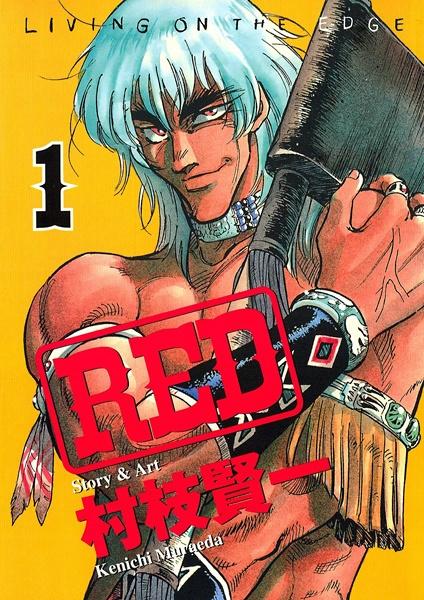
Red (Red: Living on the Edge), 1998-2005, Muraeda, Kenichi, Young Magazine Uppers
STORY: 6
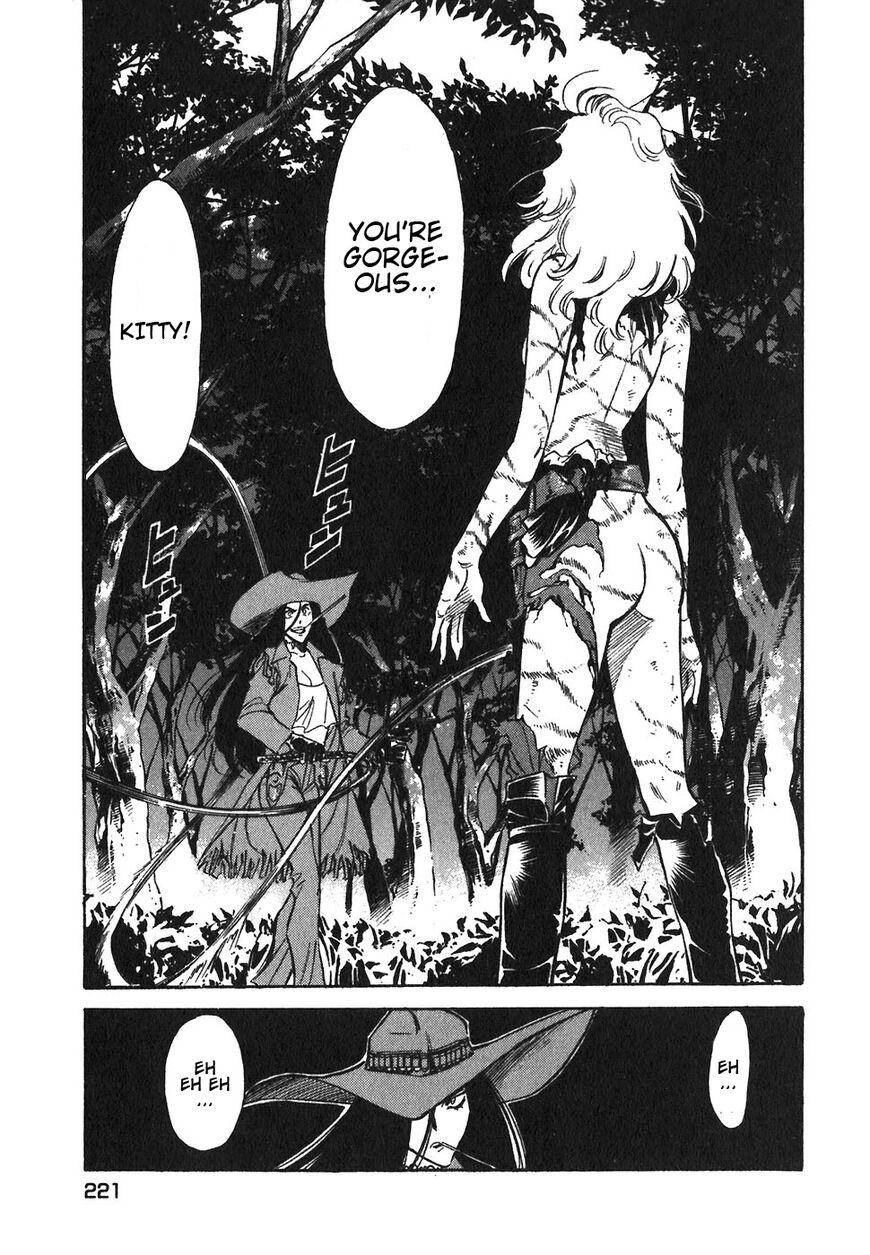
Meet Red: he is the last member of his native American tribe, and he is on a quest for vengeance. What starts as a succession of gunfights in the Far West, becomes more interesting through the chapters thanks to a story that knows where it’s heading and memorable characters.
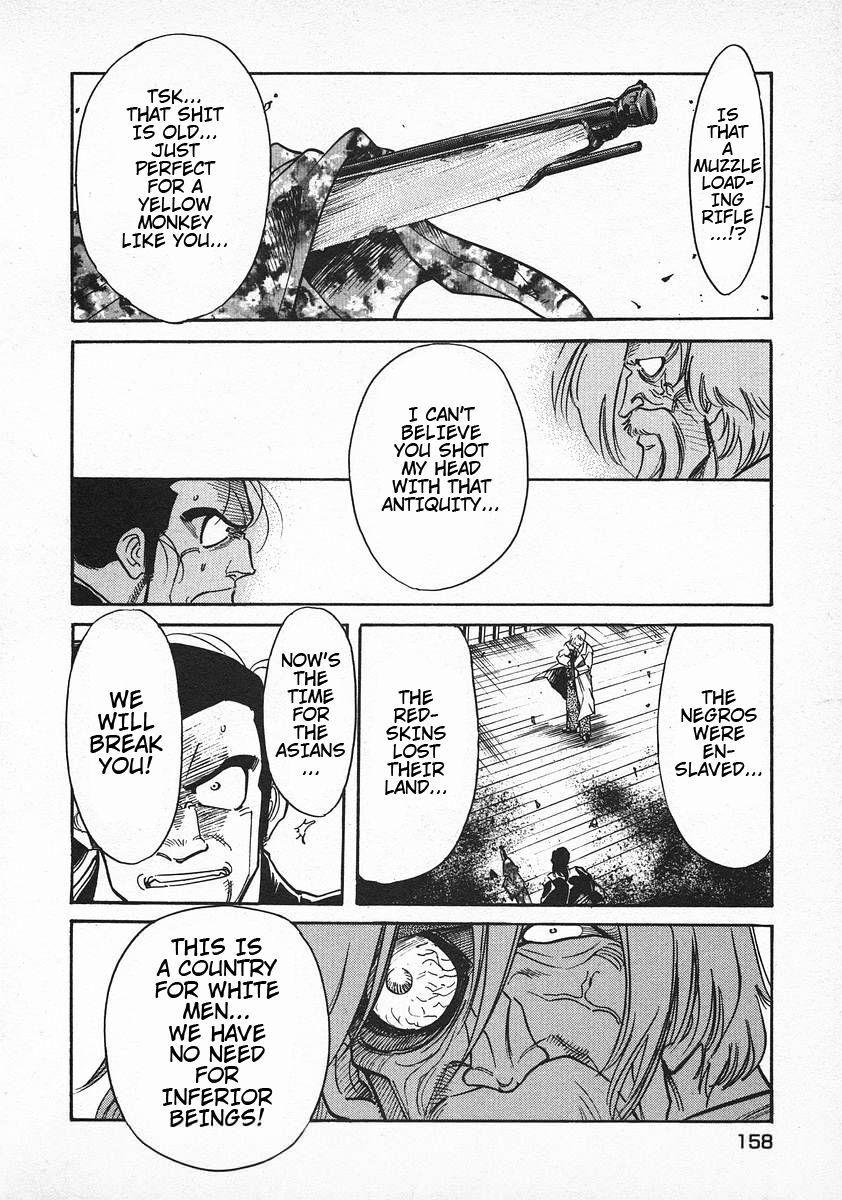
ART: 7
Art is good, but, as it’s too often the case, men come in all shapes in sizes whereas women only get one type of body (the one that men like to look at).
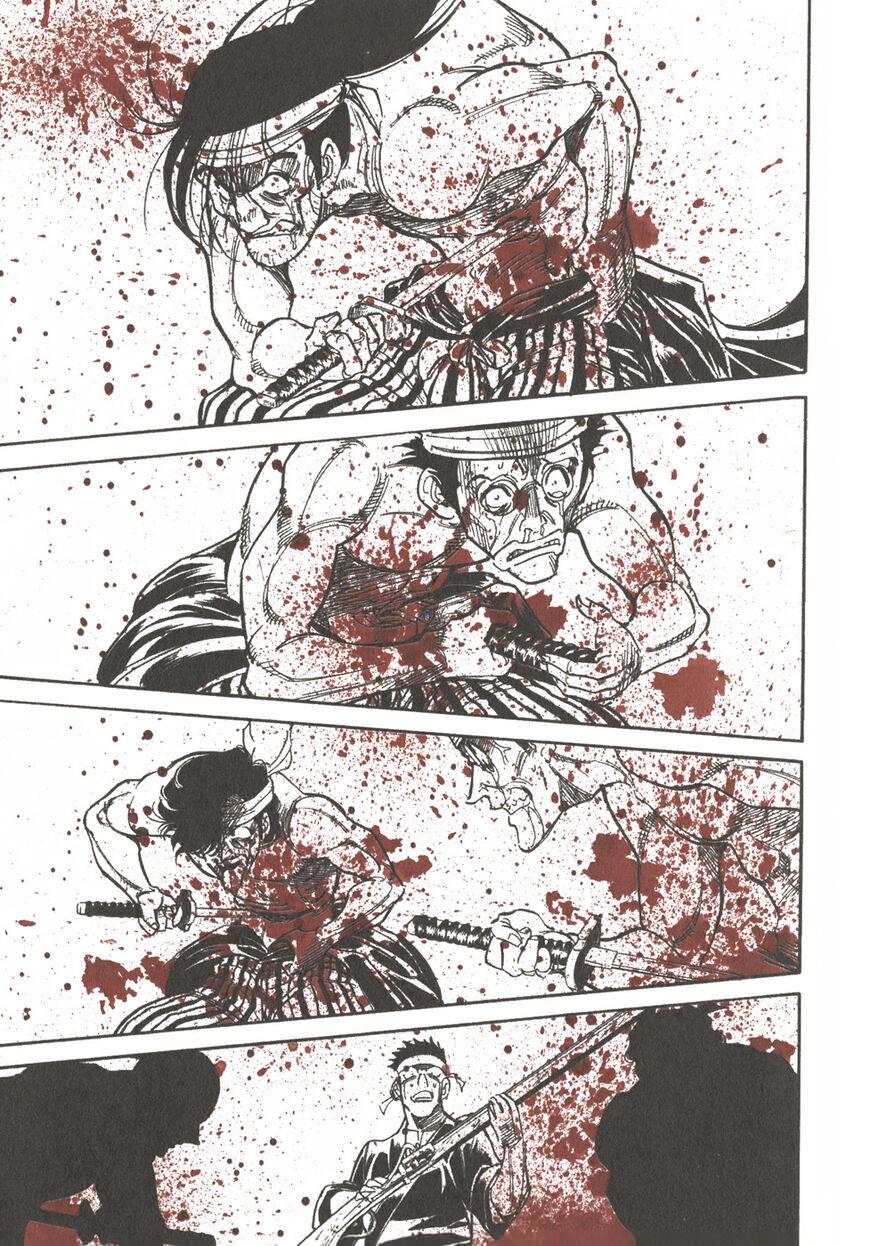
POLITICAL POTENTIAL: 5
Let’s enjoy a title that manages to talk about non-Japanese people without being too caricatural and that has some awareness of racism. The native tribes are not just a homogeneous group of innocent savages that are close to nature: they have a few developed characters that are not simply defined by their race. There’s also some Chinese migrants in the story and they are also depicted decently.
Alas, the same cannot be said of the only two significant black characters, as they get a heavy dose of racial stereotypes. Here, we can see the limits of understanding racism only as a “discrimination of other groups”, racism also exists (often unconsciously) inside our perceptions and representations of these ‘other’ groups.
Racist discourse in the West and Japan typically objectifies black people as a ‘body’. In manga, black males are often muscular, not smart, and more or less threatening. When the sexuality of a black character is mentioned, it is outside of the norm, and often hyperactive in contrast with a white or Japanese hero that shows the ‘normal’ sexuality.
Back to Red: the first black character we encounter is mute and not smart but he has a big heart. His body is huge and he is a boxing champion, clearly a gentle giant stereotype.
The second black character is also a boxer, but this one is vicious, cowardly, and hysterical, like a classic effeminate villain. And to show his abnormal sexuality, the author also made him the only gay character of the series, adding homophobia to the injury. See the review of Azumi to read more about the use of homosexuality to illustrate morally corrupt characters.
That was quite a letdown as these racist caricatures appeared later in the comic. Feel free to recommend manga titles that treat black people better because I don’t know many.
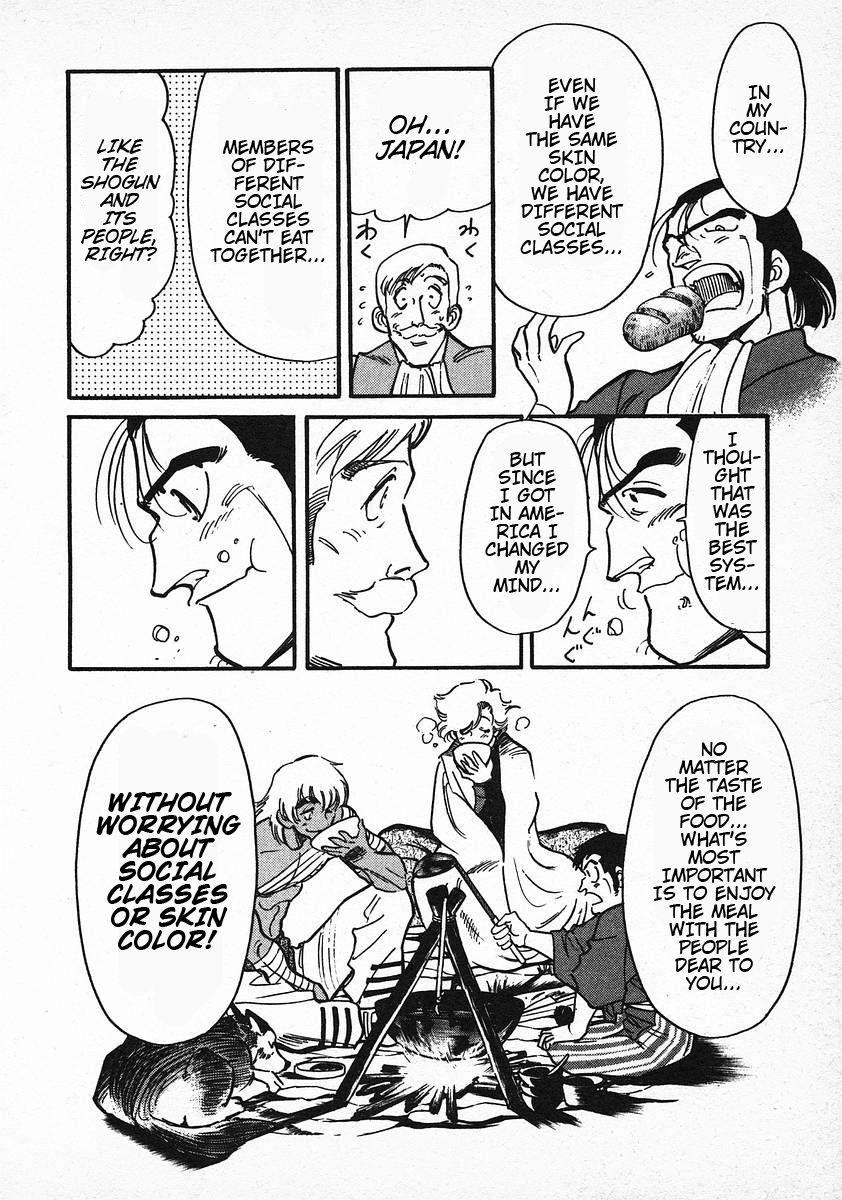
FEMINISM: 4
One of the main characters that joins Red on his journey is a prostitute named Annie. She is sexy, gets emotional and falls in love with the hero. -_-
At least, she gets a solid backstory and is talented at poker and guns (the ‘chicks with guns are exciting’ trope).
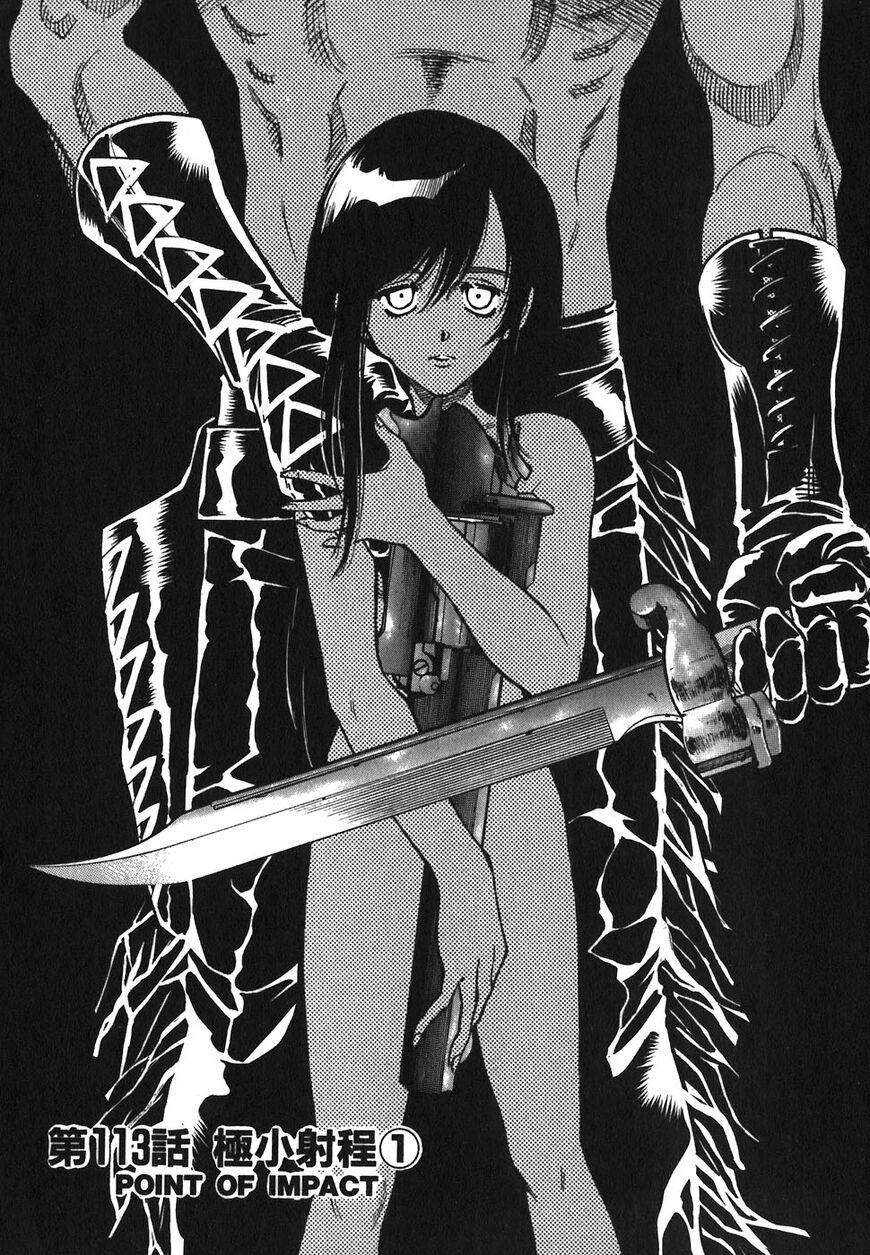
There is also a little girl that is more interesting and gets a lot of growth, but most of Red’s content is about men talking with their guns.
CONCLUSION: 6
The start of this manga has a note saying: “the author is completely against racial discrimination”. That’s great, but racism can be so deeply rooted that the author did not notice his own racist treatment of his black characters. And let’s not mention gender discrimination. Still, Red is an entertaining read for fans of the wild west and gunfights.

Leave a Reply